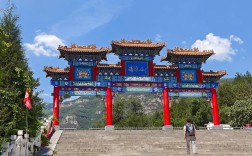
山西, located in the north of China, is a province rich in history, culture, and natural landscapes. Known as the "cradle of Chinese civilization," it boasts a wealth of tourist attractions that showcase its profound heritage and stunning scenery. From ancient architectural wonders to magnificent mountain ranges, Shanxi offers a diverse range of experiences for travelers seeking to explore China's past and natural beauty.
One of the most famous attractions in Shanxi is the Yungang Grottoes, a UNESCO World Heritage Site. Located in Datong, these grottoes are a masterpiece of ancient Chinese Buddhist art. Construction began in the 5th century during the Northern Wei Dynasty, and over 1,400 years, more than 50,000 statues were carved into the sandstone cliffs. The largest statue is a 17-meter-tall Buddha, which stands majestically in the central cave. The grottoes are divided into three main areas: the east, middle, and west zones. The east zone features smaller caves with simple carvings, while the middle zone contains the most exquisite and well-preserved statues, including the famous "Five Caves" with their intricate details. The west zone, though less ornate, still offers a glimpse into the evolution of Buddhist art in ancient China. Walking through the Yungang Grottoes, visitors can feel the spiritual atmosphere and appreciate the skill of the ancient artisans who created these timeless masterpieces.
Another must-visit destination is Mount Wutai, one of the Four Great Buddhist Mountains of China. This sacred mountain is not only a natural wonder but also an important center for Buddhist pilgrimage. With its five flat peaks (hence the name "Wutai," meaning "five terraces"), the mountain offers a unique combination of breathtaking scenery and religious significance. Mount Wutai has been a place of Buddhist practice for over 2,000 years, and it is home to many ancient temples, including the Tayuan Temple, which houses a giant bronze statue of Manjushri, the Bodhisattva of Wisdom. The mountain's cool climate, even in summer, has earned it the nickname "Cool Mountain," making it a popular retreat for monks and travelers alike. Hiking through the lush forests and visiting the ancient temples, visitors can experience a sense of peace and tranquility that has attracted pilgrims for centuries.
For those interested in ancient architecture, the Hanging Temple of Mount Heng is a truly remarkable sight. Built into the side of a cliff, this temple appears to "hang" in mid-air, defying gravity and showcasing the ingenuity of ancient Chinese builders. Constructed during the Northern Wei Dynasty, the temple is a unique blend of Buddhism, Taoism, and Confucianism, with halls dedicated to each of these philosophies. The temple is supported by wooden beams inserted into the rock, and its precarious position adds to its mystique. Visitors must climb a series of steep stairs to reach the temple, but the view from the top is well worth the effort. The Hanging Temple is not only a feat of engineering but also a testament to the religious harmony that has existed in China for centuries.
Shanxi is also famous for its ancient city of Pingyao, a UNESCO World Heritage Site that has preserved its original layout and architecture from the Ming and Qing dynasties. Walking through the ancient streets of Pingyao, visitors can feel as if they have stepped back in time. The city walls, which date back to the 14th century, are among the best-preserved in China and offer a panoramic view of the city. Inside the walls, there are traditional courtyard houses, shops, and temples, including the Rishengchang Draft Bank, the first modern bank in China. Pingyao was a major center of commerce during the Qing Dynasty, and its wealth is reflected in the elaborate architecture of its buildings. Today, the city is a living museum, where visitors can experience the daily life of ancient China and learn about its rich commercial history.
In addition to its cultural and historical attractions, Shanxi is also home to stunning natural landscapes. The Hukou Waterfall, located on the Yellow River, is the second-largest waterfall in China and a spectacular sight to behold. During the flood season, the water cascades down a 30-meter cliff, creating a thundering roar and a mist that can be seen from miles away. The surrounding area offers hiking trails and viewpoints where visitors can appreciate the power and beauty of the Yellow River. Another natural wonder is the Wutai Mountain National Forest Park, which is home to a diverse range of flora and fauna, including rare species such as the golden pheasant and the clouded leopard. The park's alpine meadows and pristine forests provide a perfect escape for nature lovers.
Shanxi's cuisine is another highlight for visitors. Known for its hearty and flavorful dishes, Shanxi food reflects the province's agricultural heritage. Some of the most famous local specialties include "youmian kaolaolao" (steamed oat noodles), "daoxiaomian" (knife-cut noodles), and "pingyao beef," which is marinated in a special blend of spices and dried. The province is also famous for its vinegar, particularly "Shanxi aged vinegar," which is used in many dishes and has a unique, mellow flavor. Dining in Shanxi is not just about eating; it is an experience that allows visitors to connect with the local culture and traditions.
To better plan your visit, here is a table of some key tourist attractions in Shanxi with their brief descriptions:
| Attraction | Location | Description |
|---|---|---|
| Yungang Grottoes | Datong | UNESCO site with ancient Buddhist statues dating back to the 5th century. |
| Mount Wutai | Xinzhou | Sacred Buddhist mountain with ancient temples and stunning natural scenery. |
| Hanging Temple | Datong | Temple built into a cliff, blending Buddhism, Taoism, and Confucianism. |
| Ancient City of Pingyao | Jinzhong | Well-preserved Ming-Qing city with traditional architecture and a rich history. |
| Hukou Waterfall | Linfen | Spectacular waterfall on the Yellow River, the second-largest in China. |
In conclusion, Shanxi is a province that offers a perfect blend of history, culture, and natural beauty. Whether you are exploring the ancient grottoes, hiking the sacred mountains, or wandering through the ancient city, Shanxi will leave you with a deep appreciation for China's rich heritage. With its diverse attractions and warm hospitality, Shanxi is a destination that should not be missed by any traveler.
FAQs
-
What is the best time to visit Shanxi?
The best time to visit Shanxi is during spring (April to May) and autumn (September to October). During these seasons, the weather is mild and pleasant, making it ideal for outdoor activities such as hiking and sightseeing. Spring brings blooming flowers and lush greenery, while autumn offers crisp air and beautiful foliage. Summer can be hot, especially in the low-lying areas, and winter is cold but provides a unique charm with snow-covered landscapes, particularly on Mount Wutai. -
How can I get around Shanxi to visit these attractions?
Shanxi has a well-developed transportation network, making it easy to travel between major attractions. For long-distance travel, high-speed trains connect cities like Datong, Taiyuan, and Pingyao, offering a convenient and efficient way to get around. Within cities, buses, taxis, and ride-sharing services are readily available. For more remote attractions such as Mount Wutai or the Hanging Temple, you can take buses or hire a private car. It is also possible to join guided tours, which often include transportation and entrance fees, making your trip more hassle-free.